News
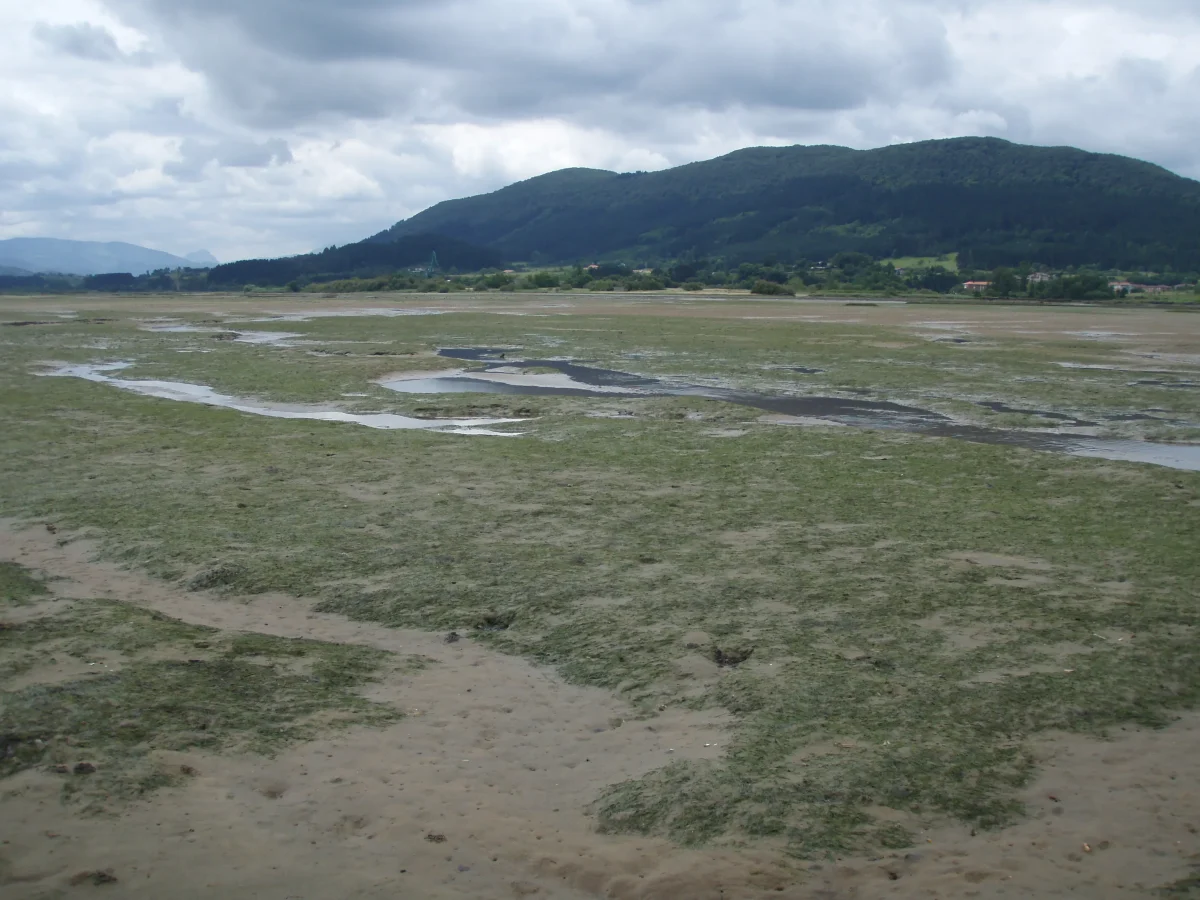
Pasaia, 18 September 2026. As climate change reshapes Europe’s seas, a new Horizon Europe project sets out to give restoration authorities and practitioners the tools to plan ahead.
Restoration efforts across Europe’s seas are underway, but they’re too often fragmented, local, and built on conditions that no longer hold. Human activities are too often preventing reaching good state of marine ecosystems, and therefore solutions to reduce their impacts is a priority before direct restoration actions. As climate change shifts ecological baselines and reshuffles the pressures on marine habitats, restoration planning needs to catch up.
MORSE (Models Supporting Practical Restoration Of Habitats In Europe’s Seas) is a four-year Horizon Europe project that started in June, bringing together 12 partner organisations from nine countries and coordinated by the Finnish Environment Institute (Syke).
“In MORSE our ambition is to demonstrate how models can be used by authorities to find effective restoration actions for different marine species and habitats under varying climatic conditions. We are sure that the existing models will improve restoration planning in Europe and beyond”, says Dr. Samuli Korpinen, the project coordinator.
MORSE will combine ecological, pressure and climate models to help authorities and practitioners compare restoration options, such as pressure reduction, active restoration measures, and protected area scenarios. This will help identify pathways that remain effective, practical and aligned with policy goals under future scenarios.
The project will test and demonstrate its approach across eight demonstration areas spanning three marine regions: the Baltic Sea, the Northeast Atlantic Ocean and the Mediterranean Sea, covering a wide range of habitats, species, pressures and governance contexts.
Within the project, AZTI will lead the research in the Bay of Biscay, with three case studies:
The AZTI team will combine species distribution models (SDMs), climate change scenarios and assessments of the cumulative effects of different pressures. This work will contribute methodologies for setting priorities and evaluating management and restoration options for the marine environment.
Over its four years, MORSE will work directly with competent authorities, restoration practitioners and other stakeholders to co-develop its tools, and will translate its modelling outputs into practical guidance materials, restoration fact sheets, training events and other accessible resources.