Blog
[EATrends] A Sea of Food: Unlocking the Potential of Blue Foods
Autor/a: Sonia Riesco. Researcher
Content index
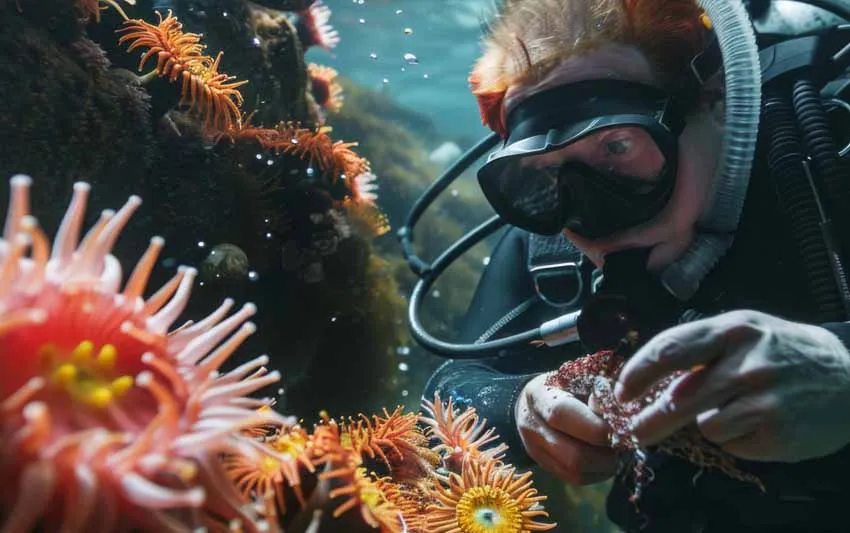
Oceans are far more than vast bodies of water: they generate around 60% of the biosphere’s economic value and directly support the livelihoods of over 200 million people worldwide. Their importance goes beyond economics—they are essential for human well-being, health, and increasingly, for global food security.
In a context of population growth and mounting pressure on terrestrial resources, so-called “blue foods”—foods of marine origin—are emerging as a healthy and sustainable nutritional reserve that remains largely untapped. The diversity of marine organisms offers a wealth of possibilities we are only beginning to explore.
This is the fourth chapter of AZTI’s EATrends, a guide that connects science, business, and society to anticipate the future of food. Want to discover the rest of the trends? You can find them all in the full EATrends report.
The industry has not missed this trend. The global market for marine active ingredients is expected to grow from USD 9.7 billion in 2023 to USD 18.1 billion by 2033—a projection that reflects both scientific potential and rising demand for natural, sustainable ingredients.
Research advancements are expanding the horizon of blue foods through:
The key lies in harnessing the vast potential of the oceans through a responsible and sustainable approach.
Awareness of the need to protect the oceans is growing alongside demand for natural and sustainable ingredients. In response, the food sector is embracing initiatives such as:
The potential of blue foods goes far beyond satisfying hunger—it represents an ocean of opportunities for health, sustainability, and innovation. The challenge is how to tap into this immense resource while safeguarding the marine ecosystems that make it possible.
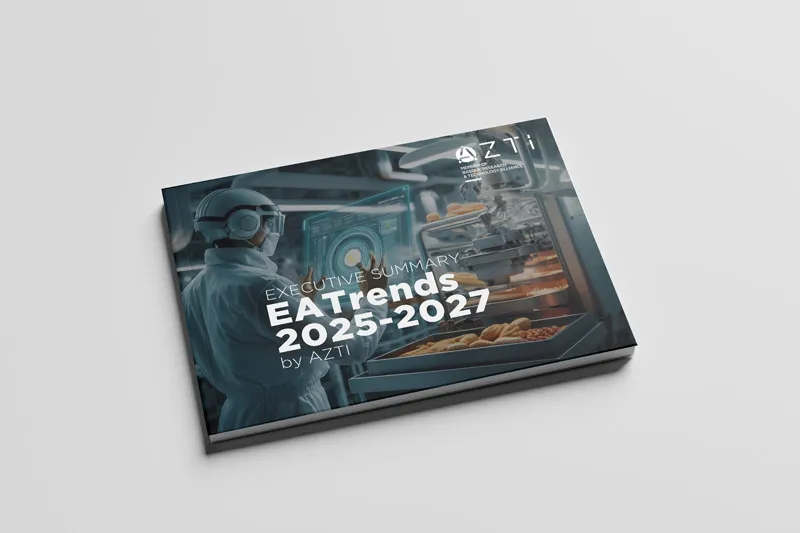
Fill out the form and you will receive a link to download it in your email.
jQuery("#descarga-azti-form > div > label > input[type=text],#descarga-azti-form > div > label > input[type=email]").on('change', function(){ if(jQuery(this).val() != '') { jQuery(this).parent().addClass("has-content"); } else { jQuery(this).parent().removeClass("has-content"); } });
const privacidad = document.getElementById("azti-acepto-privacidad"); const comunicaciones = document.getElementById("azti-acepto-comunicaciones"); const enviar = document.getElementById('azti-enviar'); if(privacidad.checked && comunicaciones.checked) enviar.removeAttribute("disabled", ""); privacidad.addEventListener("click", function (event) { if(privacidad.checked && comunicaciones.checked) enviar.removeAttribute("disabled", ""); else enviar.setAttribute("disabled", ""); }, false); comunicaciones.addEventListener("click", function (event) { if(privacidad.checked && comunicaciones.checked) enviar.removeAttribute("disabled", ""); else enviar.setAttribute("disabled", ""); }, false);