News
Content index
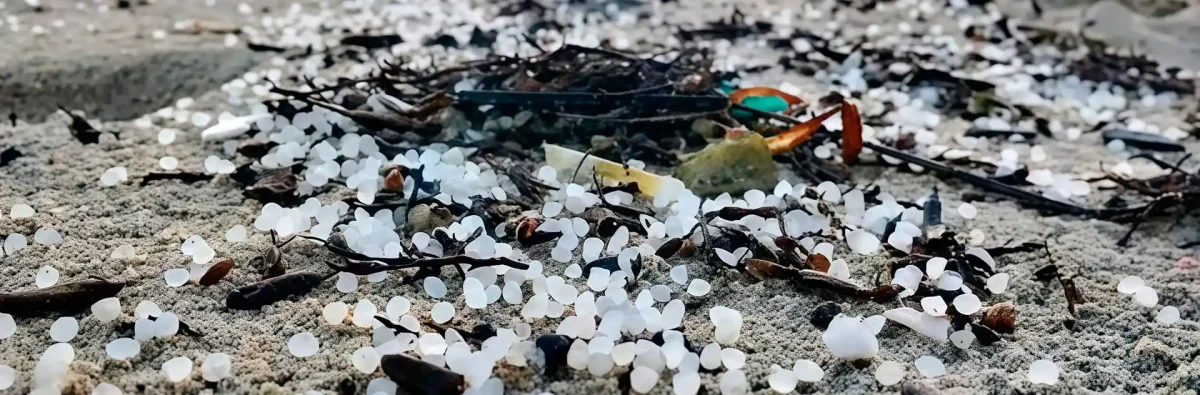
Pasaia, 7 July 2026. AZTI is participating in POLARIS, a new European project aimed at improving preparedness and response capacity for emergencies caused by plastic pellet spills in the marine environment. These small granules, also known as nurdles, are used as raw material in the manufacture of plastic products and can enter the sea at different stages of the supply chain, particularly as a result of accidents linked to maritime transport.
Plastic pellet spills pose a growing challenge for marine and coastal ecosystems, as well as for economic activities linked to the coast. Their small size, low visibility at sea and high dispersal capacity make it difficult to detect, monitor and recover the material. Moreover, when they reach the coast, they can affect long stretches of shoreline and require lengthy, complex and costly clean-up operations.
In recent years, several maritime incidents recorded in Europe and other regions of the world have highlighted the transboundary nature of this type of pollution and the need to move towards a coordinated response at European level. Unlike other spills, such as oil or certain chemical substances, there are still no sufficiently harmonised operational procedures in place to respond to plastic pellet spill emergencies.
POLARIS has been launched to help address this gap through a multidisciplinary approach combining scientific research, equipment testing and operational capacity building. The project will work on the development of tools, guidelines and best practices to support decision-making by public authorities, response organisations and other stakeholders involved in the management of environmental emergencies.
Its main objectives include enhancing scientific and operational knowledge of accidental plastic pellet spills, promoting shared methodologies for their management, and strengthening risk communication with institutions, operators, volunteers, the media and the general public.
“POLARIS brings together experts from different disciplines and countries to tackle this issue through a truly collaborative approach. By combining scientific research with operational expertise, we aim to deliver practical tools and evidence-based solutions that strengthen preparedness and support authorities in responding more effectively to plastic pellet spills,” explains Ana J. Abascal, POLARIS Project Coordinator.
As part of the consortium, AZTI will contribute to the joint work aimed at improving marine pollution management and strengthening response capacity in the face of emerging risks affecting the marine and coastal environment. The technology centre’s participation forms part of its applied science activity for the protection of the oceans, the sustainable management of the marine environment and the provision of technical support to public administrations and sectors linked to the coastal environment.
The project is coordinated by IHCantabria and includes the participation of CEDRE, Météo-France, AZTI, SASEMAR and the Norwegian Coastal Administration. The initiative therefore brings together research organisations, operational agencies and centres of expertise from three European countries to move towards shared approaches in the prevention, preparedness and response to this type of emergency.
POLARIS will run from 2026 to 2028 and has a total budget of €837,057.83. Ninety per cent of the funding comes from the European Commission’s Directorate-General for Civil Protection and European Humanitarian Aid Operations, DG ECHO.
Through this project, the consortium will help to strengthen the resilience of European institutions in the face of an emerging form of pollution that requires applied science, operational coordination and international cooperation. The initiative is aligned with European objectives for the protection of the marine environment, pollution prevention and improved response to environmental emergencies.