The spread of antibiotic resistance and diseases caused by the presence of pathogens in food represent a global threat that affects human health, as well as animal health, agriculture, food safety and the environment.
Globalization and climate change increase the risk of bacterial contamination, and the improper and excessive use of antibiotics, among other factors, leads to the appearance of resistant and multidrug-resistant superbacteria, that cause infections which cannot be treated with antibiotics or other currently available antimicrobials.
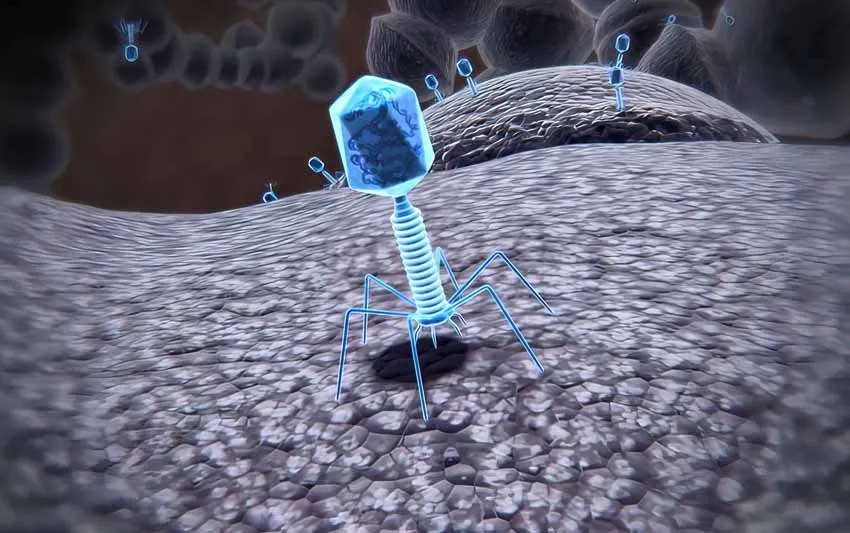
One of the lines of research that has been under development over the last years to deal with antibiotic resistance and control the presence of unwanted bacteria in the fields of health (human and animal) and food safety, is the use of certain “good” viruses that remove these bacteria: the bacteriophages (also called phages).
Although it is true that antibiotics are often mentioned when we talk about phages, it is important to highlight that, in the case of food (where the use of antibiotics is not allowed) they are used as an alternative to other types of preservatives or processes that can alter their organoleptic characteristics or that, due to their chemical origin, generate greater rejection among consumers.
Want to know more about it? Here are a number of related articles and projects: