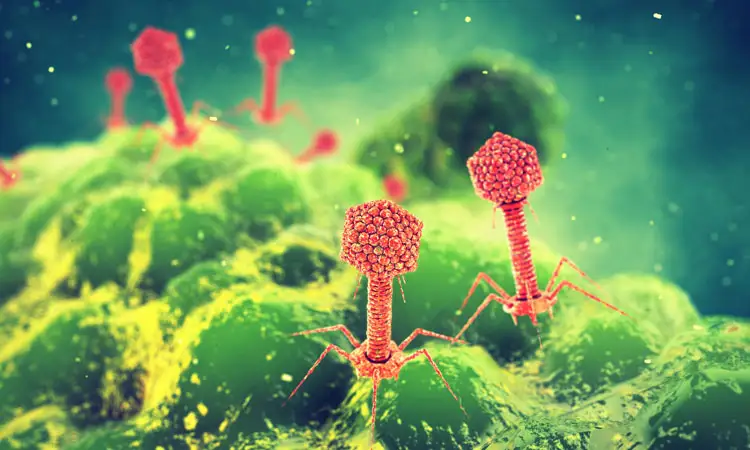
A natural, biotechnology-based solution using bacteriophages with targeted activity against Vibrio harveyi and Vibrio anguillarum, developed to complement established hygiene and biosecurity measures for controlling these pathogens in aquaculture production environments.
A fully characterised collection of lytic phages specific to fish-pathogenic Vibrio species (V. harveyi and V. anguillarum), of major sanitary and production relevance to the aquaculture industry.
It reduces the bacterial load of Vibrio spp. in aquaculture production, minimising the health and economic impact associated with infectious outbreaks caused by these pathogens. It provides a safe, natural biotechnology approach, compatible with other conventional control measures, that does not affect the animals’ native microbiota or other beneficial microorganisms for production (e.g., probiotics).
This biocontrol tool can be applied in water, as well as in feed and other production and processing environments, helping to improve animal health. Phages specifically recognise their target bacteria, attach to them and use them to replicate inside. The release of newly formed phages lyses the bacterial cell membrane, causing the bacterium to die and reducing the presence of the pathogen in the environment. This cycle is repeated again and again as long as Vibrio harveyi and/or Vibrio anguillarum cells are present.
Sectors: Fisheries and aquaculture sector, Food sector, Ingredients industry, Innovation management
Research lines: Bioeconomy, Biotechnology, Food Quality and Safety, One health
Research sublines: Food biotechnology, Minimising food safety risks