News
Bermeo, 18 May 2020- Every year between 5 and 13 million tonnes of rubbish are dumped into the sea. Most of this waste comes from land-based activities, but an estimated 20 per cent of the waste originates from marine activities such as fishing.
The SARETU project, promoted by the Bermeo Tuna World Capital Association, with the collaboration of the Basque tuna fishing company Echebastar, the technology centre AZTI and the textile company TERNUA, seeks to give a second life to abandoned, lost or discarded fishing nets and gear that accumulate in the oceans.
“This initiative is born from the collaboration of science and industry and intends to offer a solution to the problem of fishing gear that ends up abandoned in the waters by means of circular economy solutions. Our main objective is to collect and recycle the discarded tuna nets in order to recycle them and give them a new use,” says Rogelio Pozo, from Bermeo Tuna World Capital.
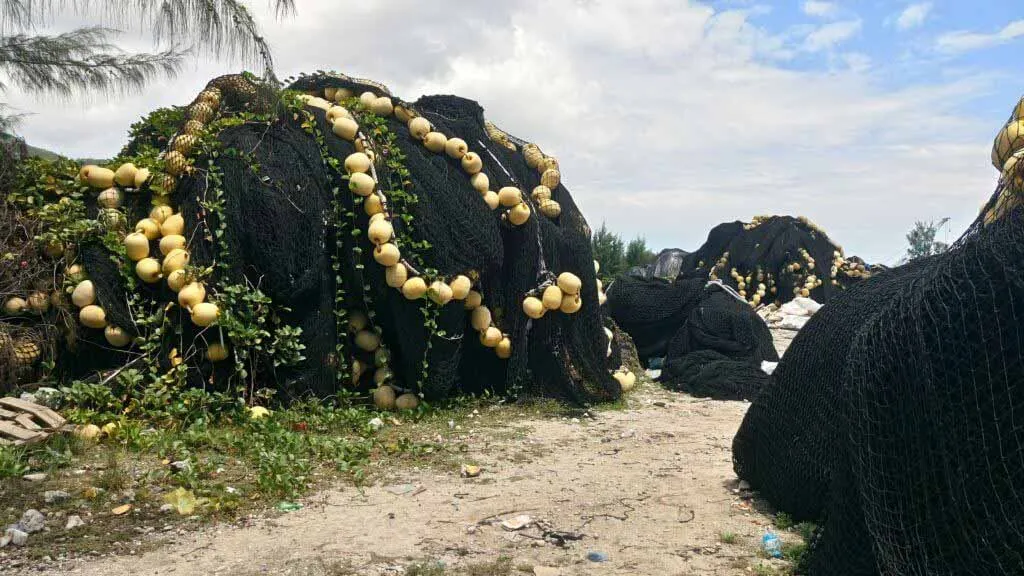
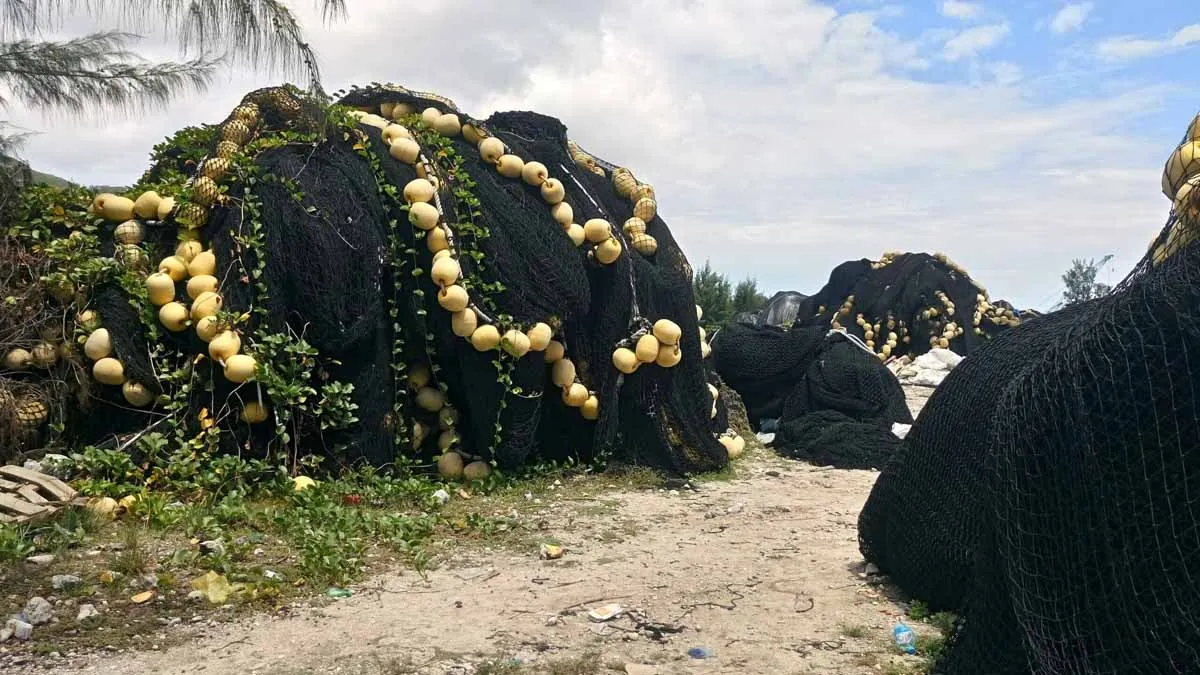
To achieve this, SARETU is divided into four distinct phases. The first one consists of storing the tuna purse seine nets that are discarded in the port of Seychelles, the main base of the fishing activity of the large Basque tuna vessels that operate in the Indian Ocean. Secondly, these nets are being conditioned so that they can be recycled. Once prepared, the third stage arrives, which consists of the mechanical recycling of the nets into ECONYL® yarn. With this product, the cycle is closed: production.
“The final yarn is the result of mixing recycled fishing nets with other discarded materials and allows us to create the fabrics to design and develop garments,” Pozo points out.

Specifically, within the framework of this project, lightweight fanny packs and highly breathable visors will be produced for use in activities such as trekking, hiking or travelling, as well as multi-purpose sack-type backpacks suitable for any daily activity.
“This initiative is relevant because of its environmental impact, since it allows for the recycling of waste and the reduction of greenhouse gas emissions, but it also has an important economic impact because it will allow us to analyse the viability of developing a local industry in Bermeo dedicated to the recycling of fishing gear”, concludes Rogelio Pozo.