News
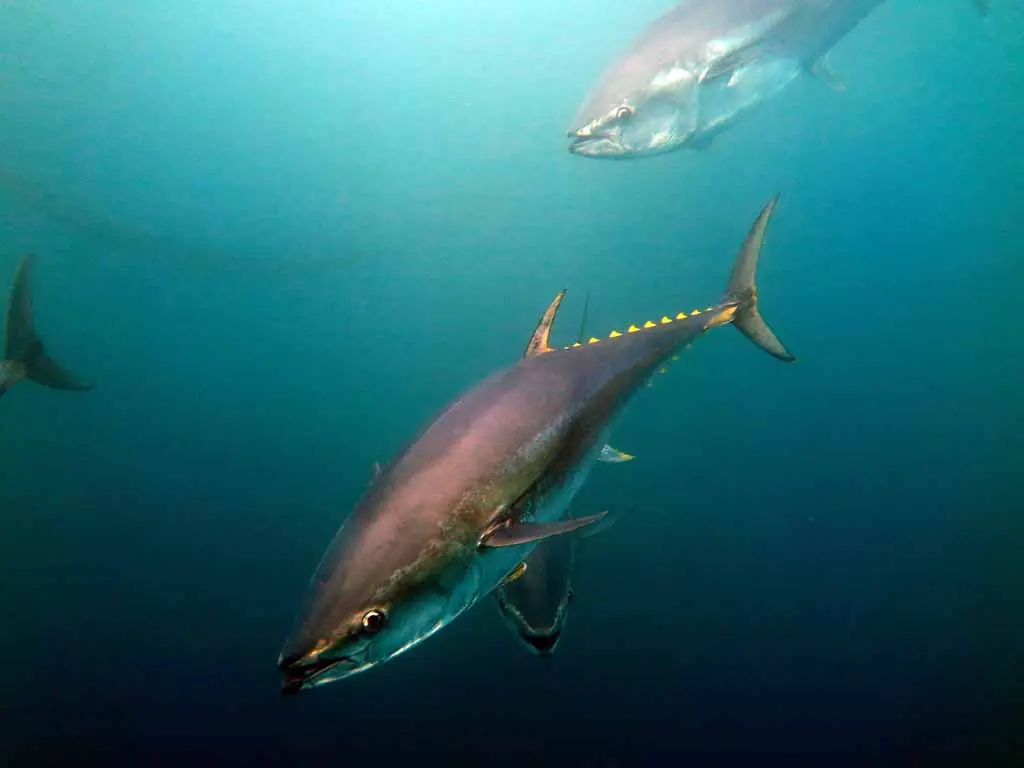
Pasaia, 17 February 2026. Atlantic bluefin tuna (Thunnus thynnus), one of the world’s most iconic and highly prized marine species, is changing its distribution in direct response to climate change. An international scientific study concludes that rising ocean temperatures will alter—throughout the 21st century—the areas where this species can feed, spawn and be harvested.
The study, Navigating Future Waters: The Resilience of the Atlantic Bluefin Tuna Under Climate Change , published in Fish and Fisheries, shows that as the ocean warms, bluefin tuna are likely to shift progressively northwards in search of cooler, more productive waters. This shift would mean habitat losses in tropical and temperate regions, alongside gains in favourable conditions further north—such as northern Europe, waters around Greenland, and the Northeast Atlantic.
Another projection indicates that the two main spawning grounds for bluefin tuna—the Mediterranean Sea and the Gulf of Mexico—could become far less suitable for adult fish. Under the most pessimistic greenhouse-gas emissions scenario, habitat suitability in the Mediterranean could decline by 27%, while suitability in the Gulf of Mexico could drop by as much as 70%, jeopardising the species’ long-term reproductive success.
“Bluefin tuna show a strong capacity to adapt, but our projections indicate that climate change is altering the balance between feeding areas, spawning grounds and fishing activity,” explains Maite Erauskin-Extramiana, AZTI researcher and lead author of the study. “That is why it is essential to progressively integrate projected climate-change impacts into management systems, so we can anticipate change and manage resources more efficiently and sustainably.”
The work also analyses how the distribution of key prey species for bluefin tuna—such as sardine, mackerel and squid—is expected to evolve. These prey species show a similar shift towards higher latitudes, creating new overlap areas between tuna and their main prey, particularly in boreal regions. These areas could act as “climate refugia” or future hotspots of especially favourable conditions.
“Climate change is affecting not only ecosystems, but also how we manage marine resources,” says Erauskin-Extramiana. “Anticipating these shifts is key to protecting both biodiversity and the livelihoods that depend on it.”
The study is based on advanced models combining environmental data, bluefin tuna occurrences, prey distribution and fishing activity, and projects multiple climate scenarios through to the end of the century. The findings underscore the urgent need for flexible, climate-adaptive fisheries management—capable of responding to species that no longer conform to traditional boundaries.
This study was conducted with support from Spain’s Ministry of Science and Innovation and the European projects FutureMares, SusTunTech, Mission Atlantic, Biodiversa+ and SOMBEE.
Scientific article