In a world increasingly aware of the climate emergency and the need for responsible resource management, the valorization of agri-food by-products has become a priority. One of the most prominent European initiatives in this field is the PRIMA NEWFEED project, coordinated by AZTI. This project is a tangible example of how applied innovation can transform waste into valuable resources—specifically, for animal feed.
PRIMA NEWFEED: By-products that Feed
PRIMA NEWFEED was launched with a clear objective: to transform agri-food industry by-products into safe, sustainable, and effective ingredients for feed production aimed at dairy ruminants and poultry, through the implementation of a circular economy approach.
The initiative seeks to enhance the sustainability of Mediterranean livestock farming by valorizing local agri-food by-products, thereby reducing both environmental impact and production costs.
Funded by the European PRIMA programme (Partnership for Research and Innovation in the Mediterranean Area), the project operates in Spain, Greece, Egypt, and Turkey—four countries with significant agri-food production and strong potential for by-product valorization.
Harnessing Agri-food By-products
Livestock farming faces the pressing challenge of ensuring the long-term sustainability of its business model. Increasing productivity and product quality must go hand-in-hand with adapting to major sectoral changes, including rising concerns about animal welfare and growing climate-related risks.
Feed constitutes the largest single cost in livestock production systems. In recent decades, feed prices have steadily increased while product prices have stagnated or declined.
Therefore, the development and adoption of at least three new alternative feed sources—more sustainable and cost-effective than conventional ones—will play a key role in building more resilient livestock production systems in the medium to long term.
Three representative value chains have been selected for in-depth work:
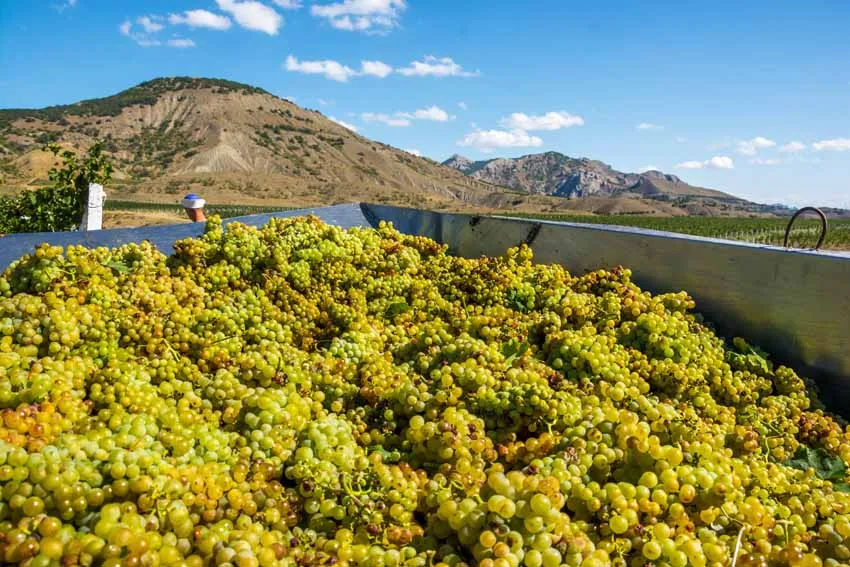
- Grape pomace from wineries in Spain.
- Orange peels from citrus processing in Greece.
- Olive oil by-products such as alperujo and pomace, commonly found in Egypt.
These materials, traditionally considered waste, are treated using cascade-based technological processes that include:
- Solid-state fermentation, to enhance the nutritional profile of the by-product.
- Hydrolysis processes, which increase nutrient bioavailability and improve digestibility.
- Stabilization and preservation, critical to ensuring food safety and extending shelf life.
Project Impact
The expected outcomes of PRIMA NEWFEED are ambitious and far-reaching:
- Diversification of available raw materials for animal feed.
- Cost reductions for livestock producers through more affordable feed solutions.
- Improvement in the quality of final animal products.
- Environmental impact reduction through waste stream circularity.
- Effective contribution to circular economy principles in the Mediterranean agri-food sector.
AZTI: A Benchmark in Food By-product Valorization
Beyond its role in PRIMA NEWFEED, AZTI has established itself as a leader in developing comprehensive solutions for the valorization of food by-products at both national and international levels.
Designing Sectoral and Regional Strategies
At AZTI, we work directly with industries, associations, and public administrations to identify specific valorization opportunities through a methodology that includes:
- Diagnosis of current by-product/waste generation.
- Techno-economic assessment of valorization options.
- Environmental impact studies and life cycle analysis.
- Development of tailored action plans.
In regions like the Basque Country, this approach has enabled the recovery and valorization of up to 75% of organic by-products from food industries, leading to waste management cost reductions of 15–25%.
Advanced Technological Solutions
We offer the food sector a wide range of technologies that enable the transformation of by-products into:
- Functional ingredients for human food, nutraceuticals, or animal feed.
- Bioproducts such as enzymes and probiotics.
- Natural additives: flavor enhancers, preservatives, and colorants.
- Bioactive compounds for applications in cosmetics or pharmaceuticals.
Additionally, AZTI provides validation services at both pilot and industrial scales, ensuring proposed technological solutions are feasible, scalable, and sustainable.
Complementary Projects
In addition to PRIMA NEWFEED, AZTI has spearheaded numerous initiatives focused on circular economy practices, including:
- LIFE CLEANFEED: Use of plant-based food waste generated by the retail sector through its transformation into animal feed.
- LIFE GISWASTE: Development of a methodology and GIS-based software tool to simulate the technical, economic, and environmental feasibility of different agri-food by-product recovery options.
- LIFE BREWERY: Recovery of by-products from the brewing industry to be used as ingredients in aquaculture feed.
- LIFE ECOFFEED: Valorization of coffee waste for dairy cattle feed.
- LIFE VALORLACT: Recovery of whey for use as a functional ingredient.
These examples demonstrate AZTI’s capacity to generate replicable, adaptable models for various industries and regions.
Food Valorization with a Future Vision
Our work goes beyond R&D; we aim to create real economic and environmental impact in the industry. From supporting SMEs to collaborating with large corporations and international technology centers, we have proven that by-product valorization is not only possible—but profitable and sustainable.
In this context, PRIMA NEWFEED marks a key milestone toward a truly circular economy in the agri-food sector, where waste becomes a resource. Thanks to AZTI’s strong track record in by-product valorization, this initiative stands as a model applicable to other regions worldwide.

The PRIMA NEWFEED project has received funding from the European Union’s PRIMA Program for Research, Technological Development and Demonstration under grant agreement n°2013. The information and views set out in this Website are those of the author(s) and do not necessarily reflect the official opinion of the European Union. Neither the European Union institutions and bodies nor any person acting on their behalf may be held responsible for the use which may be made of the information contained therein.