In a world defined by uncertainty and constant change, foresight has become a strategic necessity. For companies in the food sector, understanding where society, science, and technology are heading is key to staying ahead. That’s where AZTI’s EATrends come in: a guide that connects consumers, companies, and scientific-technical knowledge, offering clear signals about where the future of food is going. A guide that helps decode a sector in continuous transformation, highlighting emerging social behaviours and showcasing real-life solutions that are already shaping the way forward.
This is the first in a series of eight articles exploring the main drivers of change that are redefining the food industry. Want to learn more? Discover the full EATrends report here.
The Challenge: Feeding Ourselves in a Changing (and Warming) World
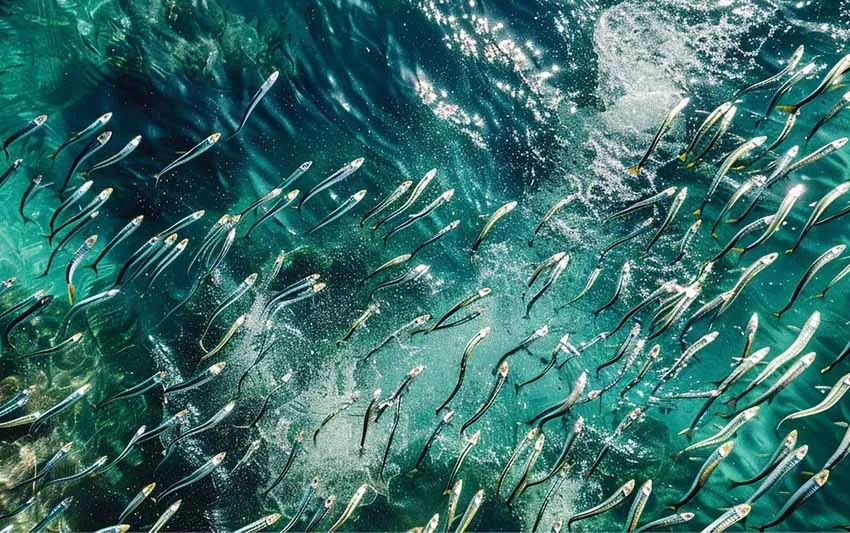
The soil that feeds us and the ocean that sustains us are changing at an accelerating pace. Rising temperatures, ocean acidification, and extreme weather events are testing the stability of food systems across the planet. The consequences are far-reaching: they affect ecosystems, global trade, economies, and ultimately, how we produce and consume food.
The question is no longer if climate change will affect our food, but how we prepare to withstand it. And here, one concept takes centre stage: resilience.
What Does a Resilient Food System Mean?
We’re talking about systems capable of maintaining their functionality and sustainability even under pressure—systems that can adapt to and recover from the impacts of climate change while also helping to mitigate them. Science makes the urgency clear: if we manage to stay within a low-emission scenario (a 1.5–2°C increase in temperature), global marine biomass could shrink by about 10% by the end of the century. But if temperatures rise by 3–4°C, that reduction could reach 30%.
The difference between these two scenarios is not just statistical—it represents millions of tonnes of food, countless jobs, entire communities, and the health of ecosystems worldwide.
Innovation in Action: The R&D Kitchen
The good news is that science and innovation are already working tirelessly to build this resilience. In the “R&D kitchen,” solutions are simmering, including:
- Crops that are more resistant to droughts and floods
- Agricultural biosolutions that reduce dependence on chemicals
- Exploration of algae as a nutritious and sustainable alternative
- Regenerative agriculture that not only produces food but restores soil health and captures carbon
- Adaptation of fisheries and aquaculture to maintain productivity without compromising ecosystems
The Role of Society and Businesses
The transition toward resilient food systems isn’t happening in laboratories alone. Increasingly, consumers are demanding sustainable and responsible food, and companies are responding with regenerative practices, resource efficiency, and crop diversification. In short, a new social contract with food is emerging—one that seeks to balance human health, the vitality of local communities, and the protection of our planet.
Want to Take a Closer Look at EATrends?
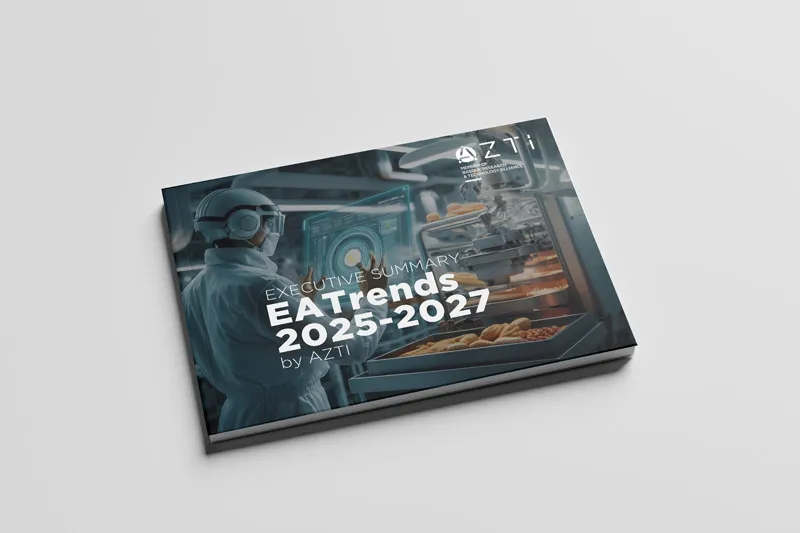
EATrends 2025. AZTI
Fill out the form and you will receive a link to download it in your email.
jQuery("#descarga-azti-form > div > label > input[type=text],#descarga-azti-form > div > label > input[type=email]").on('change', function(){
if(jQuery(this).val() != '') {
jQuery(this).parent().addClass("has-content");
} else {
jQuery(this).parent().removeClass("has-content");
}
});
const privacidad = document.getElementById("azti-acepto-privacidad");
const comunicaciones = document.getElementById("azti-acepto-comunicaciones");
const enviar = document.getElementById('azti-enviar');
if(privacidad.checked && comunicaciones.checked) enviar.removeAttribute("disabled", "");
privacidad.addEventListener("click", function (event) {
if(privacidad.checked && comunicaciones.checked) enviar.removeAttribute("disabled", "");
else enviar.setAttribute("disabled", "");
}, false);
comunicaciones.addEventListener("click", function (event) {
if(privacidad.checked && comunicaciones.checked) enviar.removeAttribute("disabled", "");
else enviar.setAttribute("disabled", "");
}, false);