Digitalization has transformed the way we access information, shop, and interact with brands. But it has also brought with it an inevitable phenomenon: skepticism. In an environment saturated with messages and promises, consumers are demanding facts, proof, and transparency to help them trust the food system.
Today, more than ever, trust is a strategic value — and it rests on three key pillars: safety, transparency, and a balance between technology and human interaction.
This is the sixth chapter of EATrends by AZTI, a guide that connects science, business, and society to anticipate the future of food. Want to explore the other trends? You’ll find them all in the full EATrends report.
A Challenge for Brands
The numbers speak for themselves: according to a report by the EIT Food Consumer Observatory, 40% of consumers in Europe do not trust sustainability labels. This lack of credibility undermines one of the industry’s major efforts in recent years and highlights the urgent need for information that is simple, clear, and verifiable.
The issue is particularly relevant in sensitive areas such as personalized nutrition and sustainability, where consumer expectations are especially high.
Innovation in Motion: Next Steps in R&D
Science and technology are opening new paths to rebuild consumer trust:
- Blockchain and IoT devices, enabling full product traceability.
- Big data and scientific evidence, adding credibility to manufacturers’ claims.
- Smart packaging and labeling, providing accessible, real-time information.
The goal is not just to share data, but to turn transparency into tangible trust.
It’s Happening: The Sector’s Response
Consumers, increasingly overwhelmed by information overload, are seeking messages that are simple, verifiable, and useful. They expect clean labels, solid proof of sustainability, and evidence-based claims about health and functional benefits.
The food sector is responding with:
- Advanced traceability systems, covering the entire product life cycle.
- Transparent and connected communication, using technology to engage directly with consumers.
- Clear, verifiable environmental impact metrics, to demonstrate measurable progress.
- Scientific evidence and precise claims, ensuring that what’s promised in the market is backed by fact.
Want to Take a Closer Look at EATrends?
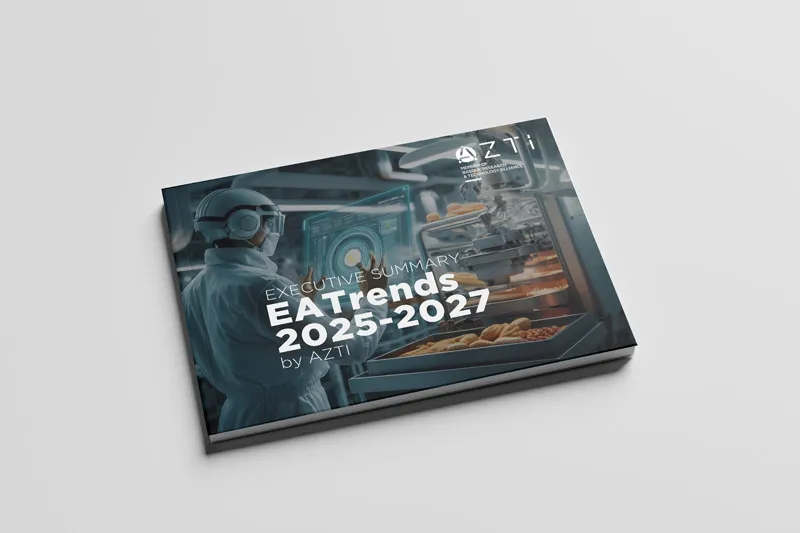
EATrends 2025. AZTI
Fill out the form and you will receive a link to download it in your email.
jQuery("#descarga-azti-form > div > label > input[type=text],#descarga-azti-form > div > label > input[type=email]").on('change', function(){
if(jQuery(this).val() != '') {
jQuery(this).parent().addClass("has-content");
} else {
jQuery(this).parent().removeClass("has-content");
}
});
const privacidad = document.getElementById("azti-acepto-privacidad");
const comunicaciones = document.getElementById("azti-acepto-comunicaciones");
const enviar = document.getElementById('azti-enviar');
if(privacidad.checked && comunicaciones.checked) enviar.removeAttribute("disabled", "");
privacidad.addEventListener("click", function (event) {
if(privacidad.checked && comunicaciones.checked) enviar.removeAttribute("disabled", "");
else enviar.setAttribute("disabled", "");
}, false);
comunicaciones.addEventListener("click", function (event) {
if(privacidad.checked && comunicaciones.checked) enviar.removeAttribute("disabled", "");
else enviar.setAttribute("disabled", "");
}, false);